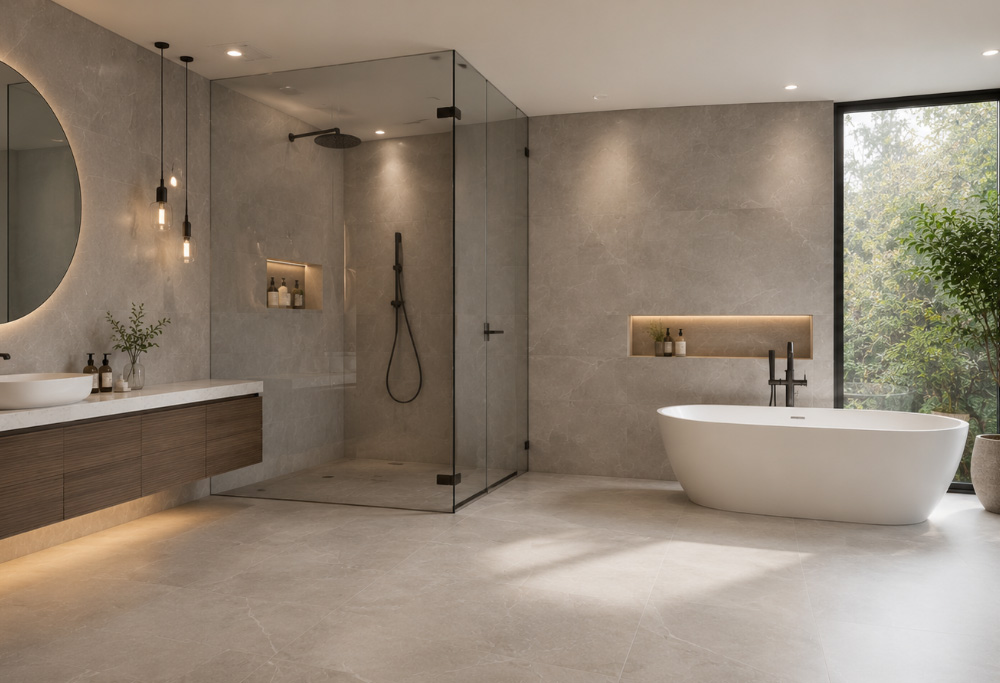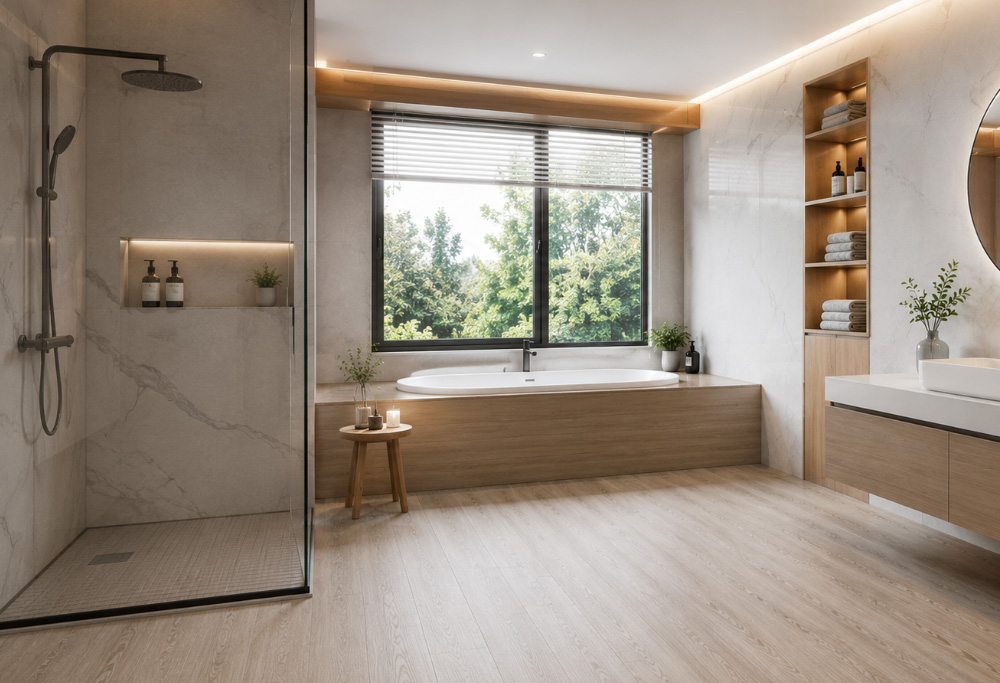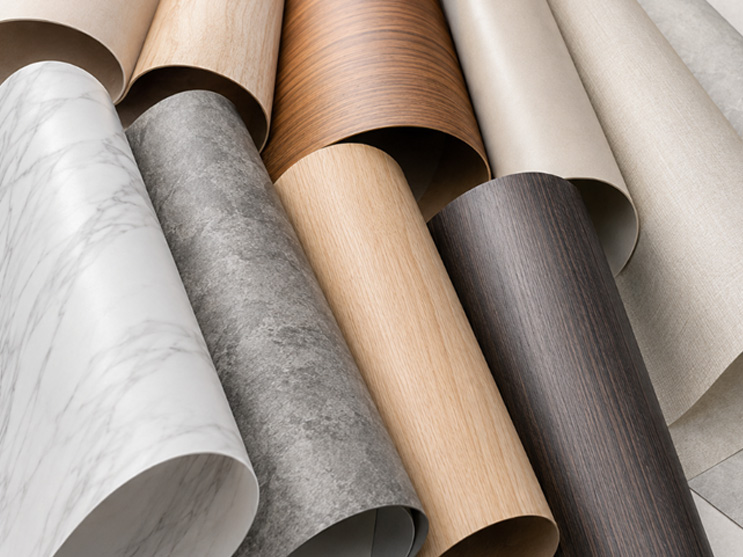
Surface materials for furniture, flooring, panels and appliances are more varied than ever. Products that look like solid wood, metal or glass — while using none of those materials — are now part of everyday life.
Decorative film is what makes that possible. A film with excellent design capability is laminated onto a durable, cost-effective and easily machined substrate — wood, plastic or metal — to create virtually any surface you want.
Kumkang Enterprise Co., Ltd. and Sunin Co., Ltd. produce decorative film that meets the quality standards of each industry, and continue to widen its range of application through decades of accumulated calendering technology and know-how.
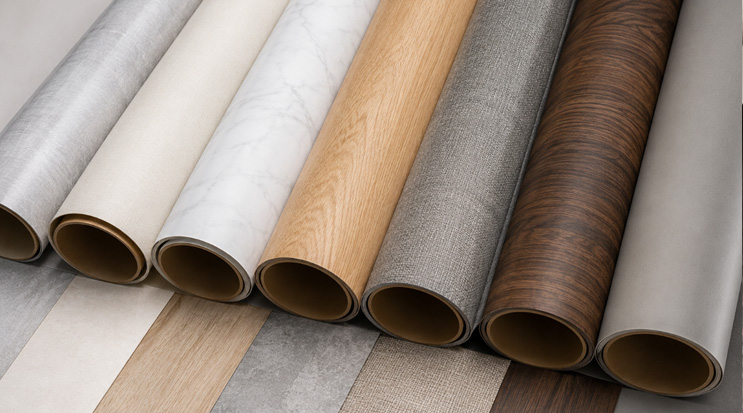
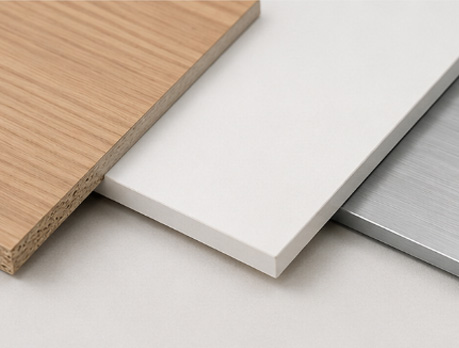
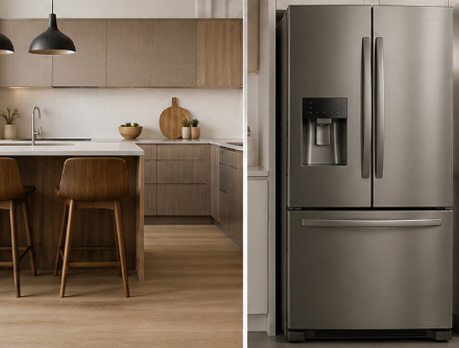
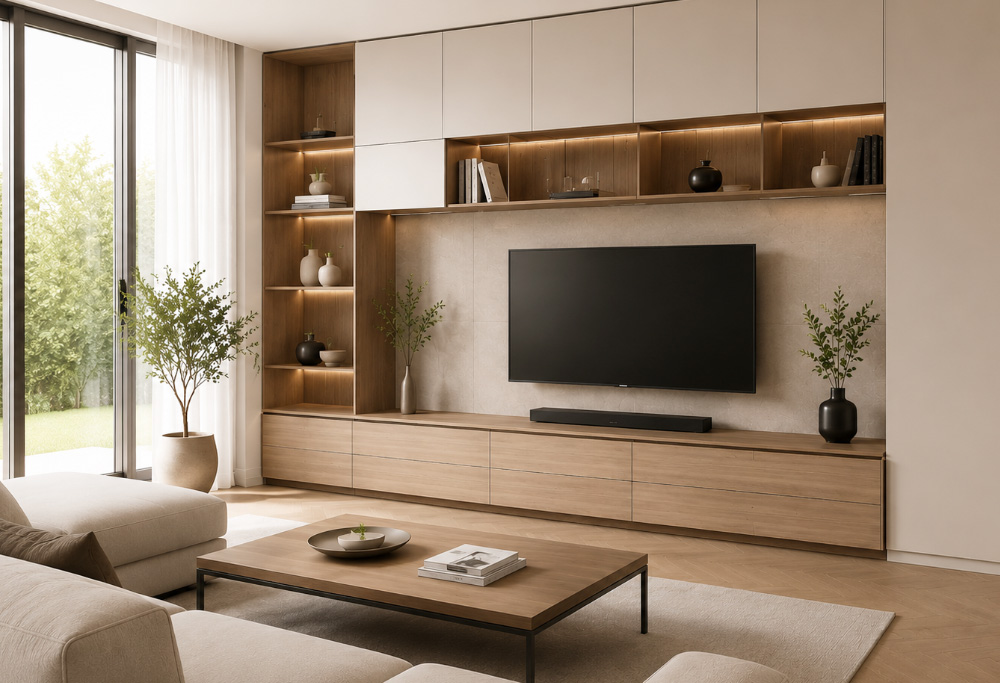
Decorative film is used in many ways — and it has to satisfy the performance demands of each one.
Uniform surface coating keeps color and gloss consistent throughout.
Every stage — from material intake to inspection and packaging — is managed to our own standards.
Specifications are adapted to the application and the fabrication method.
High gloss, super matte, pearl coating, mirror, hairline and more.
Through printed patterns, embossing and other surface treatments, furniture-grade decorative film transforms engineered wood panels such as PB and MDF into high gloss, wood grain, metallic or mirror finishes — whatever texture the design calls for.
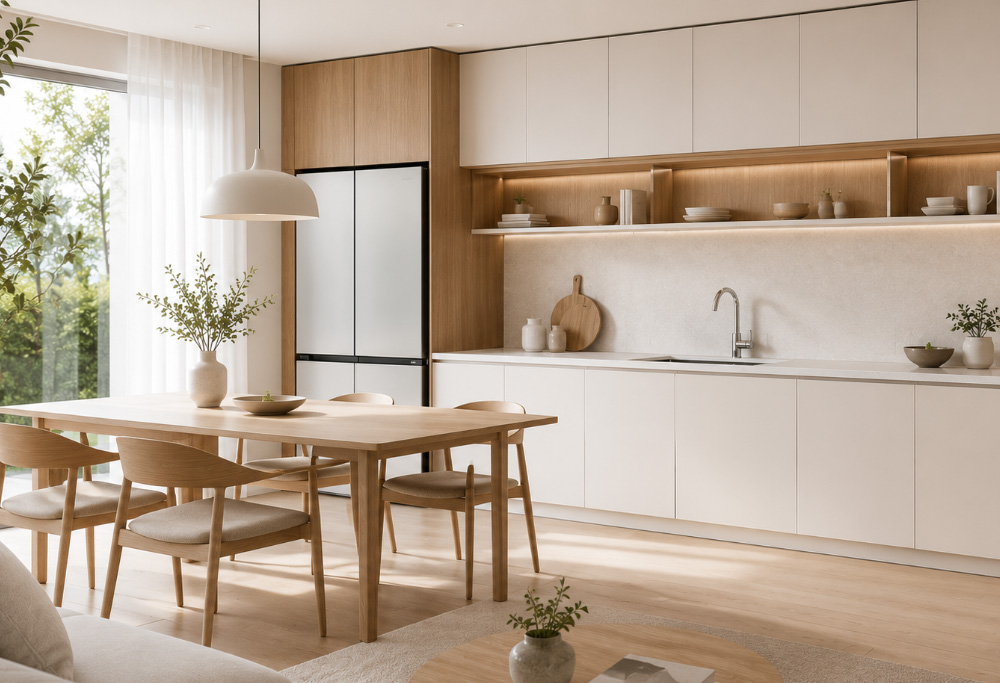
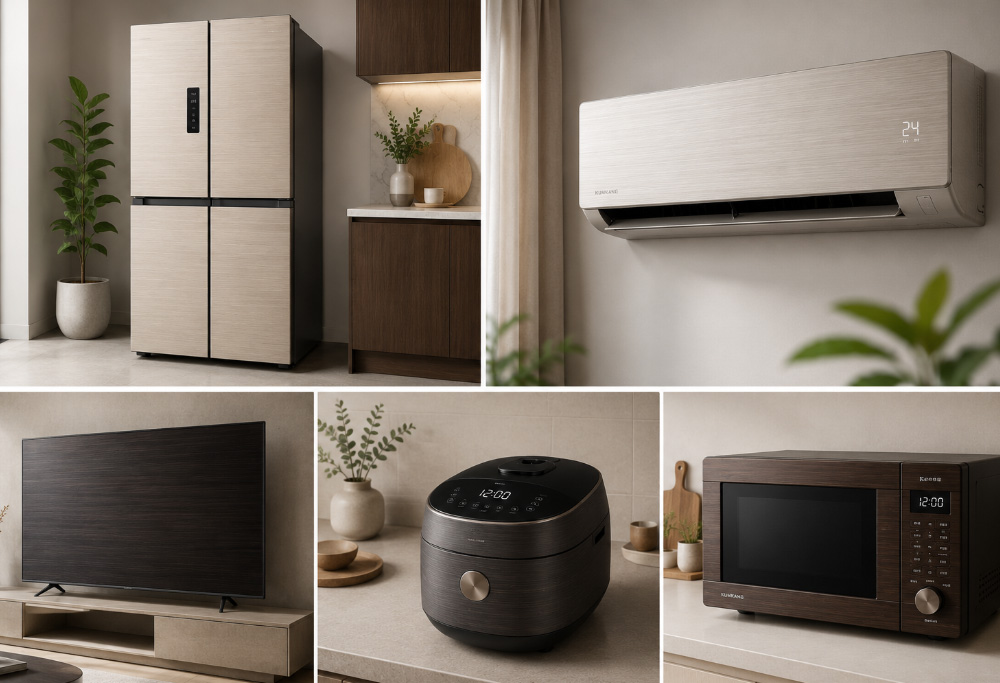
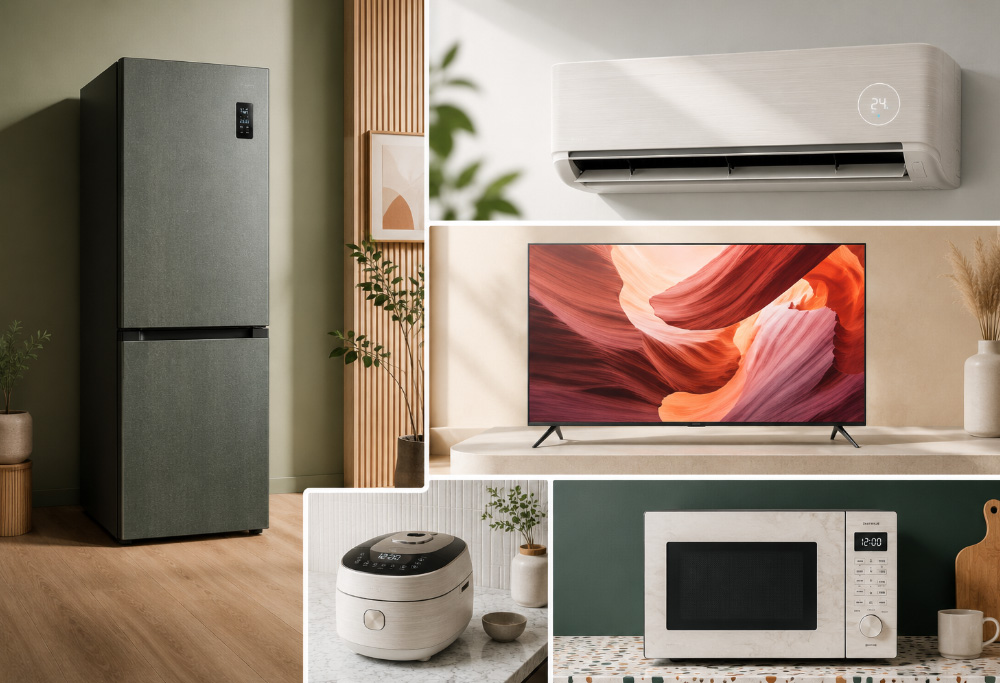
Appliance surfaces are formed using processes such as IML and IMD, and are applied across refrigerators and air conditioners as well as televisions, rice cookers and microwave ovens. Products with deep contours and complex geometry require film with the formability and durability to match.
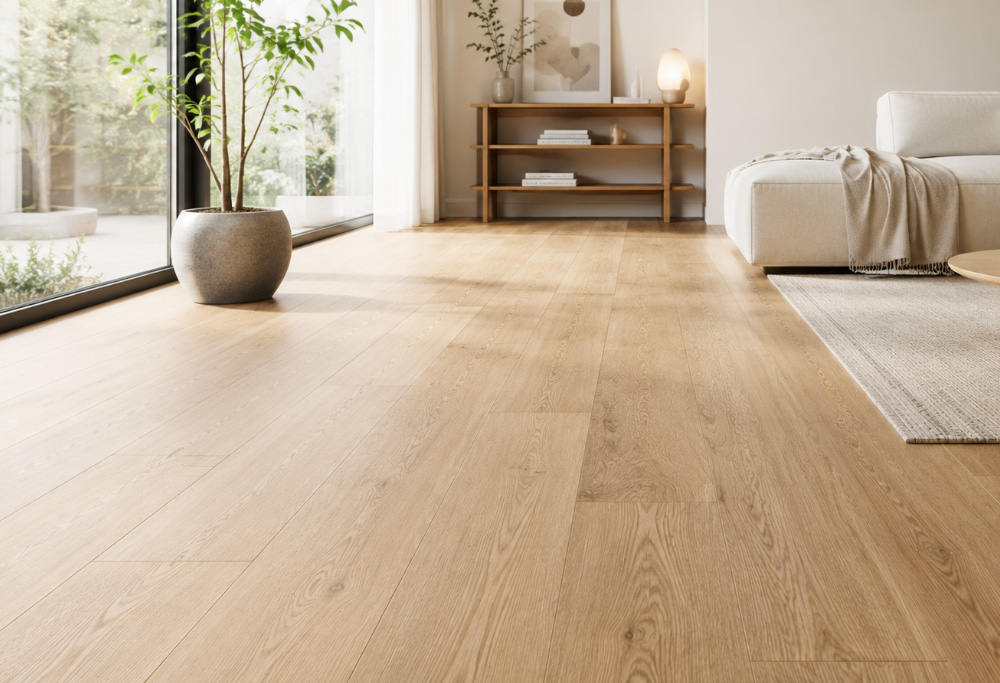
Above all, flooring film demands high hardness and strength, along with resistance to staining and moisture. Kumkang's flooring film delivers excellent abrasion resistance and high surface hardness, using eco-friendly materials you can specify with confidence.

Constantly exposed to moisture, bathrooms have long relied on tile and marble. Decorative film solutions simplify both installation and repair while opening up a far wider range of designs, and they outperform conventional materials in surface gloss, scratch resistance and abrasion resistance.